

A dose-response meta-analysis of green tea consumption and breast cancer risk
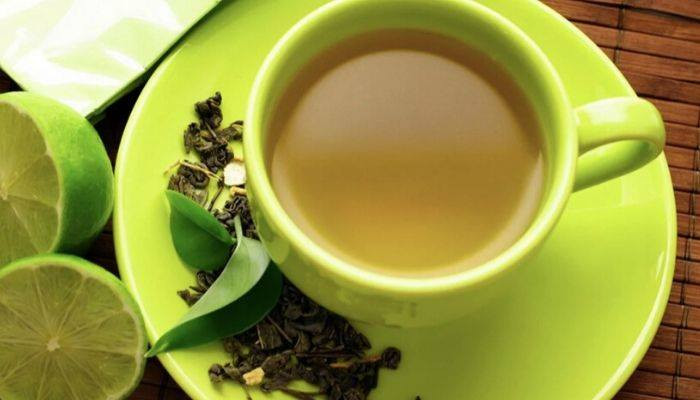 Whether drinking green tea (GT) could reduce the risk of breast cancer (BC) is still controversial. The search was performed using PubMed, Embase and Web of Science databases. The generalised least square method and constrained cubic spline model were performed to assess the dose-response trends between GT consumption and BC risk. The attributable risk proportion (ARP) was also calculated. A total of 16 studies were included and the pooled relative risks was 0.86 (95%CI: 0.75–0.99) for BC risk at the highest vs. lowest levels of GT consumption. GT consumption (pnonlinearity = .110), drinking GT years (pnonlinearity = .393) and BC risk were both negatively linearly correlated. Moreover, The ARP results demonstrated in China, people who drink GT do not suffer from BC, 23.5% of which may be attributed to drinking GT. In conclusion, drinking GT may have a positive effect on reducing BC risk, especially in long-term, high doses. |

World-first virus therapy for esophageal cancer debuts in Japan
85723.08.2026, 22:30
Moderna, Merck cancer vaccine shows promise in late-stage trial; Moderna stock more than doubles
109219.08.2026, 21:45
US revokes more than 600 visas to dismantle global 'birth tourism' networks
99413.08.2026, 00:33
Sergey Khachatryan wins the 1st prize in the individual race (photo)
69412.08.2026, 23:18
WHO chief: US immunization changes ‘not aligned with decades of evidence’
98112.08.2026, 20:09
An Invasive Mosquito Is Spreading With Alarming Speed, Threatening Africa’s Cities
108205.08.2026, 22:05