

Stocks plunge by the most since 1987, and Asia follows
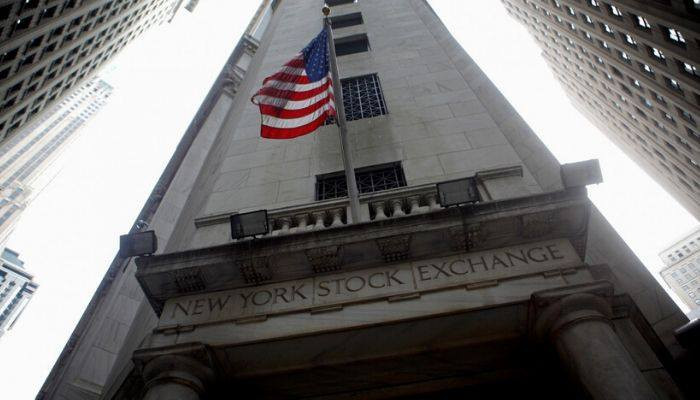 Stocks continued their plunge on Thursday, as President Trump’s latest effort to address the coronavirus outbreak — a ban on the entry from most European countries to the United States — disappointed investors who have been waiting for Washington to take steps to bolster the economy. Trading was turbulent, with stocks staging a brief comeback as investors reacted to the Federal Reserve’s decision to offer at least $1.5 trillion worth of loans to banks to help smooth out the functioning of the financial markets. But the selling picked up again by midafternoon. The S&P 500 closed down about 9.5 percent, its biggest daily drop since the stock market crashed in 1987, on what came to be known as Black Monday. The decline has left stocks in the United States firmly in a bear market — a term that signifies a decline of 20 percent from the most recent highs. For the Dow Jones industrial average, the drop of 10 percent was also its worst since the 1987 stock market crash. |

Iran says agreement reached with US to release $12 billion in frozen funds
134Yesterday, 23:40
Georgia denies claims of Armenian products re-export to Russia via its territory
75219.06.2026, 13:35
EU readies trade relief for Armenia after Russian import bans
81617.06.2026, 10:44
G7 pledges tougher sanctions on Russia’s oil and gas sector
80217.06.2026, 10:24
Trump denies $300m payment to Iran
85116.06.2026, 10:50
Russia’s war of aggression against Ukraine: new EU sanctions target energy revenues, the military-industrial complex, propaganda and human rights violations
100615.06.2026, 22:44